

What Makes Australia's Early Education Stand Out for Future Parents
Australian Early Education Frameworks
Exploring Play-Based Learning
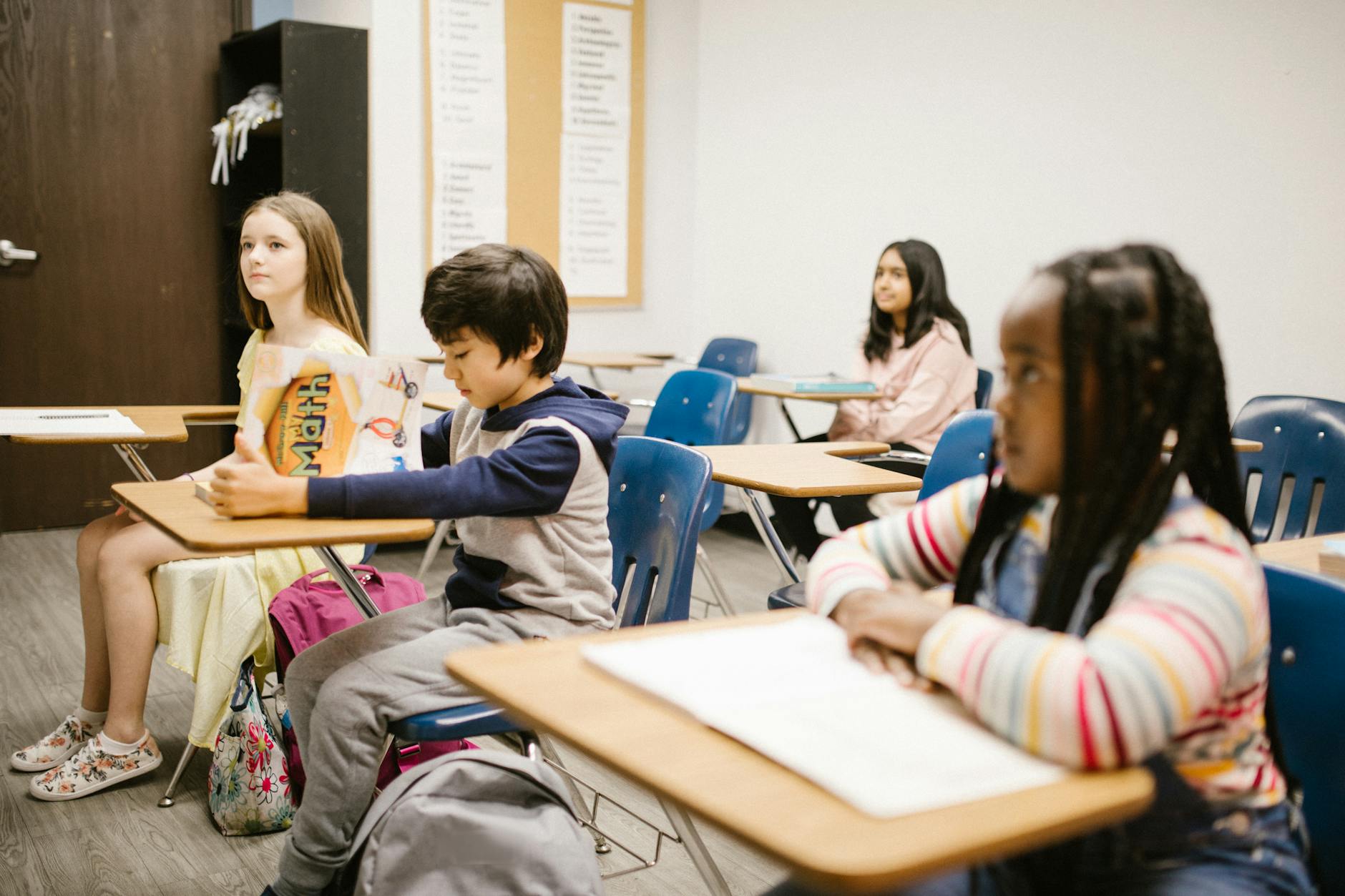
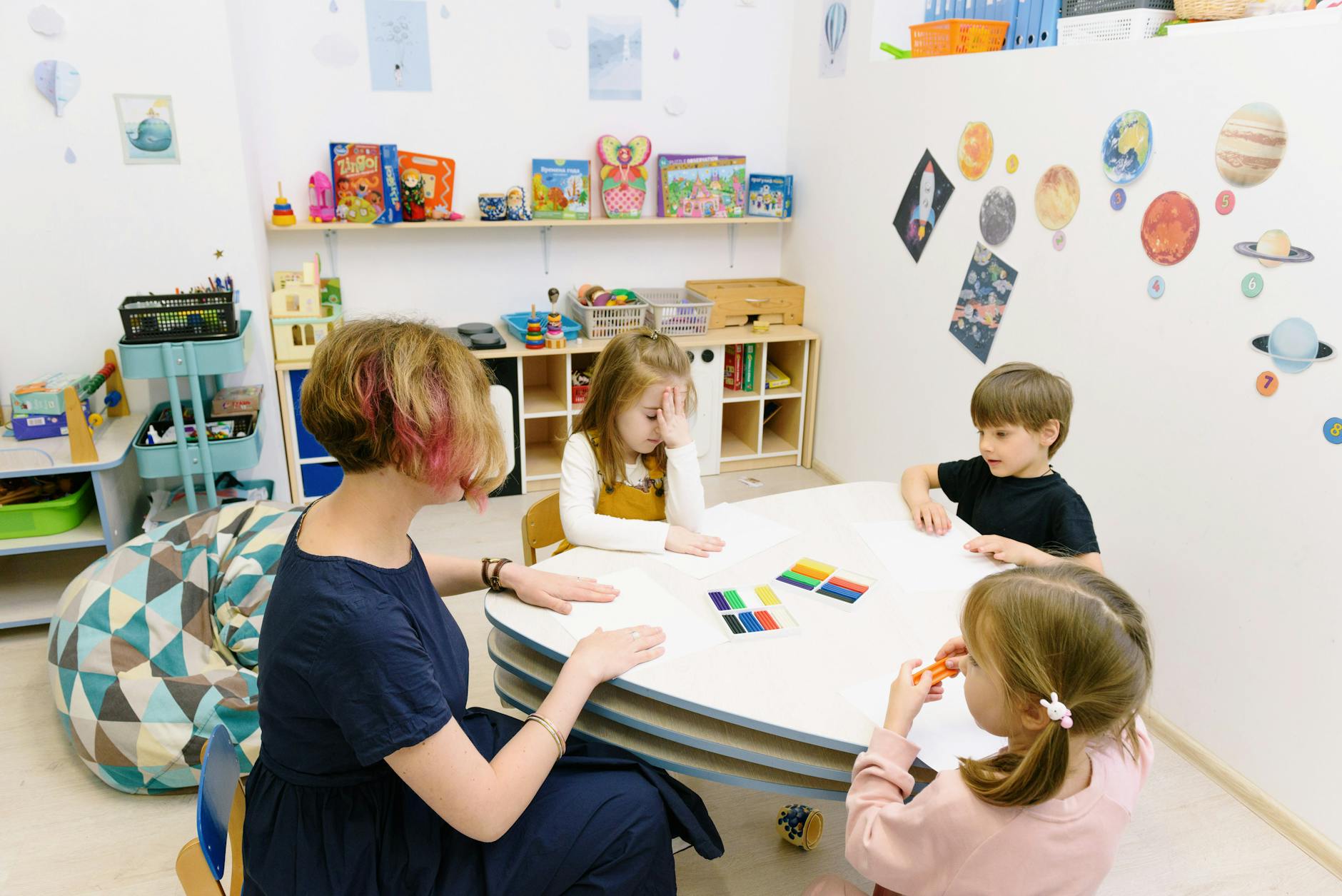
Understanding the framework of early childhood education in Australia opens a window into innovative learning methods, particularly play-based learning. This approach, celebrated at the interactive exhibits at Queensland Museum, engages children through play, making learning both effective and enjoyable. Through imaginative play, children develop essential cognitive skills, creativity, and social bonds.
Parents often witness their children mastering new concepts as they explore diverse scenarios with toys or collaborate in group activities. It's like the Powerhouse Museum’s family programs, where learning takes a dynamic and hands-on form. Teachers act as facilitators, guiding children’s natural curiosity rather than imposing structured lessons.
Adopting these methods in early childhood settings is encouraged across many educational institutions. Educators carefully design learning environments, ensuring they are rich in resources. These environments encourage children to engage, inquire, and reflect. Building these spaces in early childhood centres fosters a playground of discovery—a concept also evident in the family-friendly events at Roma Street Parkland, which mirrors principles of exploration and engagement.
As a child education advocate, I believe that by embracing this approach, we empower our children to become lifelong learners. It's about creating nurturing spaces where they can freely express themselves, explore their interests, and develop critical thinking skills.
Teaching Approaches and Curriculum
Empowering young minds through education begins with thoughtful child care courses that emphasise personalised learning. A cornerstone of child-centred methodologies is the belief that each child is unique, with distinct interests and abilities. This approach promotes active exploration, critical thinking, and creativity in a warm and supportive environment. By customising learning experiences, educators can craft lessons that align with each child’s preferred learning style, ensuring that engagement and understanding are maximised.
Integrating technology into classrooms introduces an exciting dynamic that captures students’ attention while reflecting the digital world they inhabit. By using innovative tools, like interactive exhibits at the Queensland Museum, educators can create immersive experiences that make abstract concepts more tangible. This integration not only supports diverse learning preferences but also prepares children for future technological landscapes.
Furthermore, drawing parallels with family-friendly events at Roma Street Parkland, where children engage in hands-on activities, we see the benefits of combining structured learning with open-ended exploration. It’s a model that encourages young learners to express themselves and push the boundaries of their understanding, much like the spirit behind the interactive displays.
Through innovative teaching strategies, we are equipped to enrich early childhood education, ensuring our children grow into well-rounded individuals. The fusion of tailored education and forward-thinking instructional methods lays a robust foundation for their developmental journey.
Innovative Approaches
Creating Adaptive Learning Environments
As we navigate the exciting landscape of early childhood education, it's crucial that we prioritise inclusive and adaptive learning environments. Tailoring spaces to meet every child’s needs ensures that no child feels left out or overwhelmed. This approach not only facilitates the welcome integration of diverse learning styles but also mirrors the engaging and interactive exhibits at Queensland Museum, where hands-on learning promotes inclusivity and accessibility for all children.
Incorporating Interactive Feedback Systems
In early childhood education, continuous feedback is important for tailoring educational strategies that foster each child’s unique growth. Drawing inspiration from the dynamic experiences offered by The Powerhouse Museum’s family programs, we see the value in using educational innovation to capture the attention and cater to the creativity of young learners. Online parent child learning activities can play a significant role here, as such tools promote transparency and collaborative improvement between educators and families, building robust connections that are essential for development.
Catering to Individual Learning Journeys
Every child embarks on a unique educational journey. By adapting approaches that cater specifically to individual needs, much like personal favours at Brisbane's vibrant family-friendly events at Roma Street Parkland, educators ensure that every child’s learning path is as enriching as possible. This strategy also aligns with personalising learning materials, utilising various resources such as DIY educational kits for kids, which allow children to explore their interests within a structured, supportive framework, contributing significantly to their cognitive, social, and emotional development.